Best USB/XLR Dynamic Microphones for Podcasting: Top 6 Models Reviewed (Priced $100–$500)
In this article, we introduce six of the best USB/XLR dynamic microphones for podcast recording, priced between $100 and $500. If you’re serious about podcasting, stay with us as we review and compare each model.
High-quality audio recording is one of the most important factors for podcasting success. Choosing the right microphone has a direct impact on the clarity, warmth, and professionalism of your sound. For many podcasters, a USB microphone is an ideal and simple choice to get started.
Dynamic microphones with both USB and XLR connectivity have become increasingly popular thanks to their flexibility, durability, and reliable sound quality. In this guide, we’ll cover the top 6 USB/XLR dynamic microphones currently on the market, analyze their pros and cons, and help you decide which one is the best fit for your needs
Why Choose a USB/XLR Dynamic Microphone for Podcasting?
Before diving into the product list, let’s quickly highlight why these microphones are a great choice:
-
Flexible connectivity: With both USB and XLR outputs, you can connect directly to a computer (USB) or to professional gear such as an audio interface, mixer, or recorder (XLR).
-
Better noise rejection: Dynamic mics are less sensitive to background noise than condenser mics, making them ideal for untreated rooms or noisy environments.
-
Warm, natural sound: They deliver a smooth, natural vocal tone that is perfect for podcast voices.
-
Ease of use: USB allows quick plug-and-play recording without additional equipment.
-
Multi-person recording: With XLR, you can connect multiple microphones to an audio interface and record each voice on a separate track, which is highly useful in editing.
For more on the basics, check out our article: What is a Microphone?
Top 6 USB/XLR Dynamic Microphones for Podcasting
1. Shure MV7
Price: $300–$350
Features:
-
USB and XLR connectivity
-
Cardioid pickup pattern
-
Onboard gain and mute controls
-
ShurePlus MOTIV app for advanced settings
-
Warm, professional sound

Pros:
-
Studio-quality audio
-
Durable build and professional design
-
Useful software and easy controls
Cons:
-
More expensive than most competitors
-
Learning curve with the app
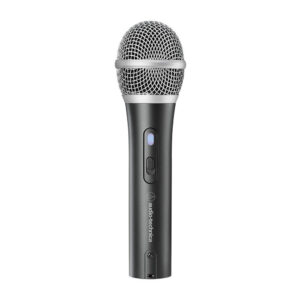
2. Audio-Technica ATR2100x-USB
Price: $100–$130
Features:
-
USB and XLR connectivity
-
Cardioid pattern
-
Headphone output with zero-latency monitoring
-
Good noise rejection
Pros:
-
Very affordable for the quality
-
Great for beginners and intermediate users
-
Simple, practical design
Cons:
-
Not as refined as higher-end models
-
Basic appearance
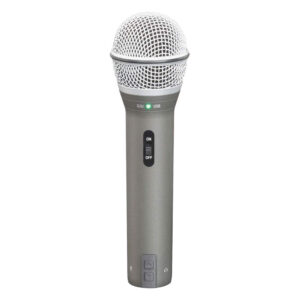
3. Samson Q2U
Price: Around $100
Features:
-
USB and XLR outputs
-
Cardioid pattern
-
Zero-latency headphone jack
-
Compact, rugged design
Pros:
-
Excellent value for the price
-
Good sound for beginners
-
Easy to use in different environments
Cons:
-
Average build quality
-
Lacks advanced features
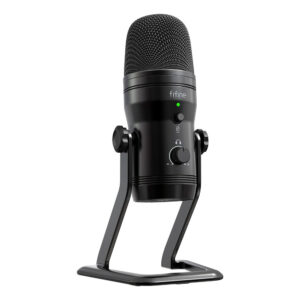
4. FiFine K690
Price: $120–$140
Features:
-
USB and XLR connections
-
Cardioid pickup
-
Gain and mute buttons on the mic
-
Headphone monitoring output
Pros:
-
Affordable with solid sound quality
-
Great for podcasting and streaming
-
Sleek, ergonomic design
Cons:
-
Lesser-known brand compared to major names
-
Build quality is decent but not premium
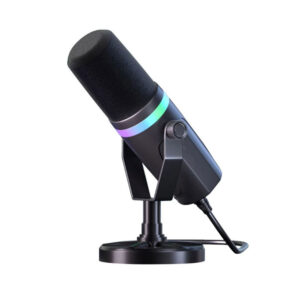
5. Gem Audio GA-D388U
Price: $60–$70
Features:
-
USB and XLR outputs
-
Cardioid pattern
-
Onboard gain and mute control
-
Zero-latency headphone output
-
RGB lighting strip + desktop stand
-
Stylish design inspired by the Shure SM7 series
Pros:
-
Budget-friendly with good features
-
Warm, clear sound for solo or group podcasts
-
Works with PC, mobile, gaming consoles, and interfaces
Cons:
-
Lesser-known brand on the global market
For more information and to purchase this product, visit the GA-D388u USB Microphone page or contact us.
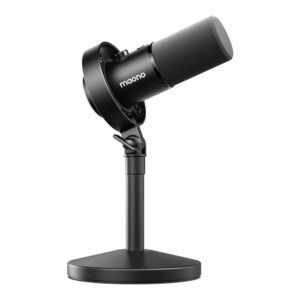
6. Maono PD300X
Price: $130–$150
Features:
-
USB and XLR connectivity
-
Cardioid pickup pattern
-
Onboard gain and mute buttons
-
Zero-latency headphone monitoring
-
Modern design and solid build quality
Pros:
-
Great price-to-performance ratio
-
Warm sound, ideal for podcasting
-
Excellent choice for beginners on a budget
Cons:
-
Limited software support
-
Less recognized than top-tier brands
Comparison Table: Best USB/XLR Dynamic Podcast Microphones
| Microphone | Price (Approx.) | Polar Pattern | Gain/Mute | Headphone Output | Sound Quality | Best For |
|---|---|---|---|---|---|---|
| Shure MV7 | $300–$350 | Cardioid | Yes | Yes | Excellent | Professionals |
| Audio-Technica ATR2100x | $100–$130 | Cardioid | No | Yes | Good | Beginners & semi-pros |
| Samson Q2U | $100 | Cardioid | No | Yes | Good | Beginners, home use |
| FiFine K690 | $120–$140 | Cardioid | Yes | Yes | Desirable | Podcasting, streaming |
| Gem Audio GA-D388U | $60–$70 | Cardioid | Yes | Yes | Good | Podcasting, streaming, gaming |
| Maono PD300X | $130–$150 | Cardioid | Yes | Yes | Good | Beginners, home podcasting |
Key Factors When Choosing a best USB/XLR dynamic microphones for podcast recording
Budget & Quality
Your budget plays a big role. If you want professional-grade sound and can invest more, the Shure MV7 is a top pick. For smaller budgets, the other models provide excellent value.
Recording Environment
Dynamic mics perform better in noisy or untreated rooms since they reject background noise. All the microphones listed here work well in such setups.
Extra Features
Controls like gain knobs, mute switches, and headphone monitoring add convenience and control during recording.
Connectivity
USB is ideal for quick plug-and-play recording, while XLR is perfect for those with professional gear. All the recommended models offer both.
Final Thoughts
Choosing the best podcast microphone depends entirely on your budget, recording environment, and level of experience. There is no single “perfect” mic — each has strengths and trade-offs.
-
For professional sound and advanced features → go with the Shure MV7.
-
For affordable, reliable options → the Audio-Technica ATR2100x and Samson Q2U are excellent picks.
-
For budget-friendly, feature-packed choices → consider the Gem Audio GA-D388U, FiFine K690, or Maono PD300X.
You may also want to explore higher-end models such as the Shure SM7B, Audio-Technica AT2040USB, or Rode PodMic USB, which are designed for professional-level production.
👉 Before buying, define your priorities, listen to sample recordings, and choose the microphone that best suits your workflow. The right mic will give your podcast a clear, warm, and professional voice.
Finally, if you are looking for something different and higher quality in the field of audio recording and podcasting, you can go towards purchasing studio packages from the Gem Audio brand.
Good luck, and may your podcasts always be recorded in the best possible sound quality!